
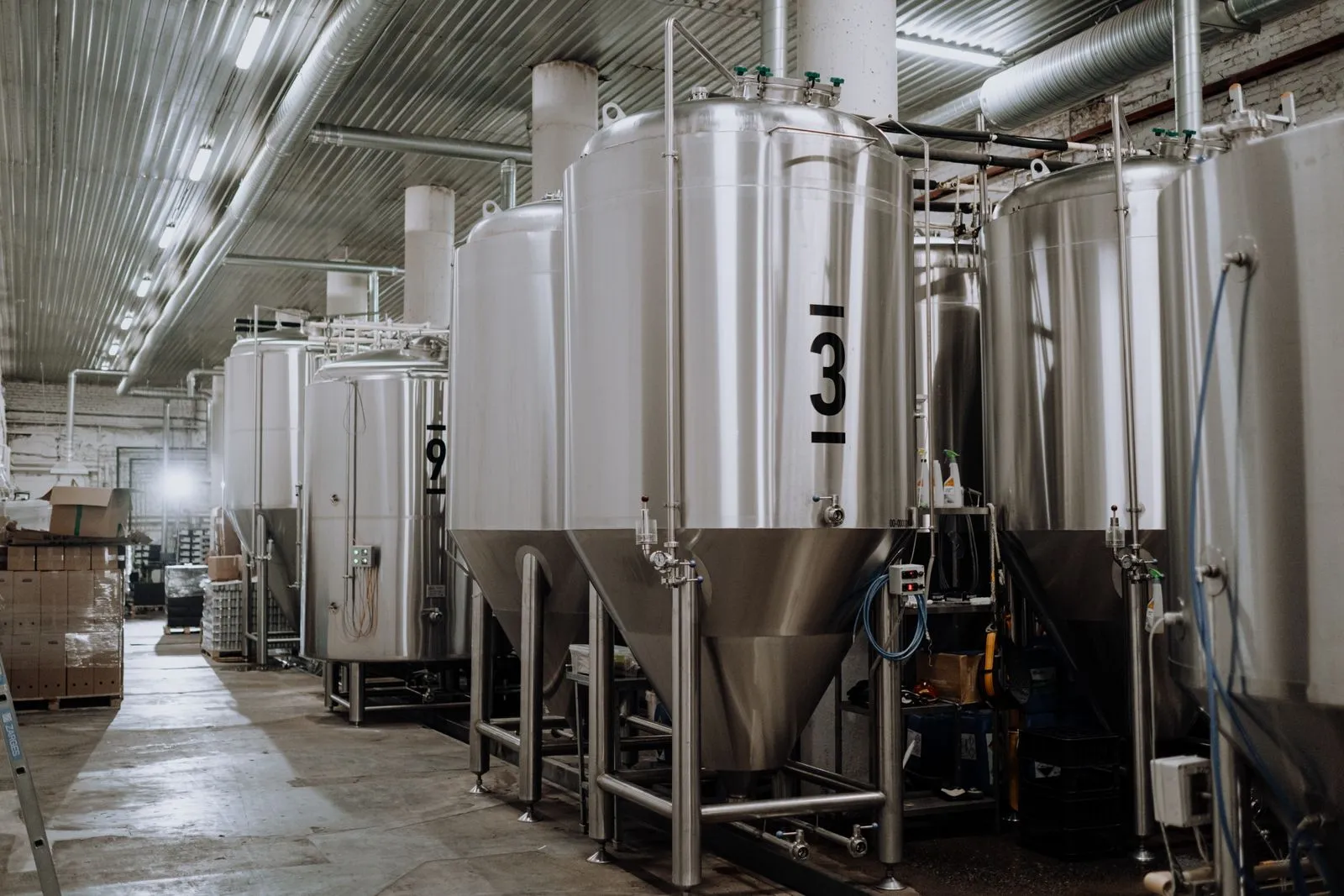
Nonalcoholic beer starts with familiar ingredients: water, malted grains, hops, and yeast. What changes is how the brewer manages fermentation or separates alcohol after brewing. Both approaches aim to keep the flavor, aroma, and satisfying body people expect from beer while meeting a low-alcohol target. The exact method depends on the recipe, equipment, and desired style. Understanding the main steps makes it easier to see why nonalcoholic beers can taste crisp, malty, hoppy, or complex.
Start With a Beer Recipe
Brewers begin by choosing malted grains, hops, water, and yeast to create a flavor profile. Malt contributes sweetness, color, and grainy or toasted notes. Hops can add bitterness and aromas such as citrus, pine, or herbs. Water chemistry affects how those flavors come across, while the yeast strain shapes fermentation character.
The grains are mixed with warm water so enzymes can convert starches into sugars. Brewers separate the sweet liquid, called wort, from the grain, then boil it and add hops. After cooling, the wort is ready for yeast. For nonalcoholic beer, the recipe may be designed from the outset to preserve flavor even when fermentation is limited or alcohol is removed later.
Limit Alcohol During Fermentation
One approach is to prevent the beer from producing much alcohol in the first place. Brewers can use special yeast strains that ferment only certain sugars, or they can control the wort and fermentation conditions so less fermentable sugar is available. The yeast still contributes flavor, but it produces less alcohol than in a typical full-strength fermentation.
This method can leave more residual sweetness because some sugars remain unfermented. Brewers balance that sweetness with hop bitterness, acidity, carbonation, and careful recipe design. They may also manage fermentation temperature and timing to shape the flavor. The goal is not simply to stop fermentation early; it is to make the beer taste balanced and complete.
Remove Alcohol After Brewing
Another approach is to brew a more fully fermented beer and then reduce its alcohol. Vacuum distillation lowers the temperature at which alcohol evaporates, helping limit heat exposure. Membrane filtration separates alcohol and water from larger flavor compounds, after which the brewer adjusts the beer’s composition. These methods require specialized equipment and close control.
Removing alcohol can also affect aroma, body, and taste. Brewers may preserve or recover volatile aroma compounds and add them back, then adjust carbonation and flavor balance. Some beers also need water or other components restored to reach the intended strength and texture. The finished result depends on both the removal method and the original recipe.
Protect Flavor and Check the Result
Low-alcohol brewing still requires attention to cleanliness and storage. With less alcohol to inhibit unwanted microbes, brewers need strong sanitation practices and suitable packaging. They also verify alcohol content because fermentation and processing can vary. A label’s alcohol statement reflects the product’s measured or regulated category, which can differ by market.
Before packaging, brewers taste and evaluate the beer for sweetness, bitterness, aroma, carbonation, and body. Small adjustments can help bring those elements into balance. Bull City Brew Co. makes nonalcoholic beer in Durham, where the same core brewing principles apply: build a flavorful base, manage alcohol carefully, and check that each batch delivers a satisfying beer experience.
Nonalcoholic beer can be made by limiting alcohol during fermentation or removing it after brewing. In either case, the brewer must account for how each choice affects sweetness, aroma, and body. The best way to understand those differences is to try a few styles and notice which flavors you enjoy. Explore Bull City Brew Co.’s nonalcoholic beers to find a favorite.